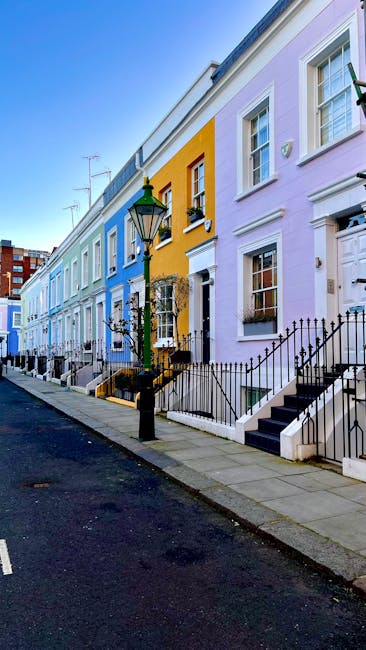
Kensington High Street Removals for Tight Access: A Practical Guide to Moving Safely in Busy Central London
Moving on or near Kensington High Street can feel straightforward on a map and then, quite suddenly, become a puzzle in real life. Narrow entrances, basement flats, shared hallways, lift restrictions, resident permit zones, traffic, and the simple fact that everything seems busier at the same time can make a move harder than expected. That is where Kensington High Street removals for tight access becomes a specialist job rather than a standard van-and-box exercise.
If you are dealing with awkward stairs, limited parking, long carries, or a property that barely seems designed for modern furniture, you are in the right place. This guide breaks down how tight access removals work, what to expect, what to avoid, and how to plan a move that feels calm enough, even in the middle of West London traffic. Truth be told, most problems are avoidable with the right preparation.
Along the way, you will find practical checklists, a comparison table, and realistic advice based on the kind of moving situations people actually face around Kensington High Street. If you also need broader moving support, pages like man and van London, house removals, and piano moving service can be useful to explore while you plan.
Table of Contents
- Why Kensington High Street removals for tight access Matters
- How Kensington High Street removals for tight access Works
- Key Benefits and Practical Advantages
- Who This Is For and When It Makes Sense
- Step-by-Step Guidance
- Expert Tips for Better Results
- Common Mistakes to Avoid
- Tools, Resources and Recommendations
- Law, Compliance, Standards, or Best Practice
- Options, Methods, or Comparison Table
- Case Study or Real-World Example
- Practical Checklist
- Conclusion
- Frequently Asked Questions
Why Kensington High Street removals for tight access Matters
Not every move is about distance. In Kensington, the real challenge is often access. You may only have a small loading window, a narrow mews entrance, a basement staircase that twists like it was designed by someone with a grudge, or a front door that opens onto a street where stopping for even a minute feels risky.
That matters because access affects almost everything: timing, vehicle choice, the number of crew members, whether dismantling is needed, and how much protection your furniture needs. A sofa that would be simple to carry in a suburban house can become a problem if the hallway is tight and the turning space is awkward. The job changes shape very quickly.
Kensington High Street itself also sits in a busy part of London, which means you are often balancing residential access with commercial traffic, pedestrians, delivery vans, and the general London habit of making space feel smaller than it is. If you know the area, you know the feeling. If you do not, it can catch you out.
Good tight access planning reduces the risk of damage, delays, and frustration. It also makes the move feel more controlled, which is no small thing on a day when your kettle is packed and your phone is on 12% battery. To be fair, that calm is worth planning for.
How Kensington High Street removals for tight access Works
At its core, a tight access removal is a normal move with a more thoughtful route. The aim is to get items from property to vehicle and then to destination without forcing furniture through spaces that are too small, too fragile, or too awkward to negotiate safely.
In practice, this usually starts with a detailed look at the property and the street outside it. A mover may ask about:
- stairs, lifts, and corridor widths
- parking distance from the front door
- whether the building has concierge or managed access
- the size and weight of larger items
- time restrictions for loading or unloading
- possible need for dismantling and reassembly
That information shapes the plan. For example, a removal team may choose a smaller van for easier street access, add more labour for a longer carry, or split the move into stages. Sometimes items are wrapped and moved through the property one by one rather than rushed in a single heavy load. Slow is often faster, strangely enough.
For especially awkward objects, such as wardrobes, American-style fridges, or upright pianos, specialist handling can be needed. If that is part of your move, it is sensible to read more about furniture assembly and disassembly and, where relevant, packing services. The more prepared the items are, the less stress there is on the day.
One simple point often gets missed: tight access is not just about the building. It is also about timing. A 9 a.m. arrival in Kensington can feel very different from a late-morning slot if traffic, school runs, and deliveries are all colliding outside. That extra bit of awareness can save a surprising amount of hassle.
Key Benefits and Practical Advantages
There is a reason specialist tight access removals are worth considering rather than treating them as a luxury add-on. They solve real problems, and those problems tend to be the ones that cost time, money, and patience if ignored.
- Less risk of damage: careful planning reduces scrapes on walls, door frames, bannisters, and furniture edges.
- Better timing control: the move is organised around access constraints, not the other way round.
- Safer handling: awkward items are moved with the right technique and equipment.
- Lower stress: fewer surprises on the day means you can focus on the move, not the logistics.
- More realistic pricing: a proper access assessment helps avoid guesswork and last-minute changes.
There is also a quieter benefit: confidence. When you know someone has checked the access properly, the whole day feels less fragile. You are not waiting for the moment when the sofa refuses to turn the corner. You are already past that problem before it begins.
If your move involves a mix of items, such as packed boxes, furniture, and a few special pieces, a service that can handle both standard and specialist tasks is often the most practical route. You may find useful context in same day removals if your schedule is tight, or student move support if the move is smaller but still awkward.
Who This Is For and When It Makes Sense
This kind of removals support is not just for large houses with impossible staircases. In Kensington, it is relevant to a wide range of people and properties.
Typical situations where tight access removals make sense
- flat moves with narrow internal staircases
- basement or lower-ground apartments
- upper-floor homes with no lift, or very small lifts
- mews houses and period buildings with limited entrance width
- office or commercial moves with restricted loading bays
- moves involving bulky furniture, antiques, or fragile items
It also suits people who simply do not want to gamble. If you are moving a home office, a family property, or items that matter a great deal to you, a well-planned removal is often the sensible choice. Let's face it, some things are too valuable, in practical or emotional terms, to leave to a rushed move.
Landlords, letting agents, and property managers can benefit too. A smoother move helps protect communal areas and keeps neighbours happier, which is never a bad thing in a busy Kensington building. Anyone who has carried a heavy wardrobe through a shared hallway at 7.30 in the morning knows why this matters.
Step-by-Step Guidance
A tight access move is easier when you treat it like a sequence of small, clear decisions. Here is a sensible way to approach it.
- Measure the difficult bits first. Check door widths, staircase turns, ceiling heights, lift sizes, and the distance from the property to where a vehicle can safely stop.
- Identify the awkward items. List furniture or appliances that may need dismantling, lifting straps, extra padding, or more than two people to move safely.
- Assess parking and loading restrictions. Find out whether there are permit requirements, red routes, or controlled zones that may affect stopping time.
- Share clear photos and notes. A few honest pictures of the staircase, entrance, and parking area can be more useful than a long description.
- Choose the right vehicle and crew size. Smaller vehicles can sometimes be easier in central London, but the overall plan has to match the amount of furniture too.
- Prepare items for movement. Remove shelves, secure doors, empty drawers where needed, and protect surfaces with wrapping or blankets.
- Build in time for surprises. A last-minute access issue is not unusual. A bit of buffer time helps everything feel less brittle.
- Confirm the arrival and contact details. In busy areas, the difference between a smooth start and a frustrating one can be a single missed call.
A useful rule of thumb: if something feels like it will be awkward to carry, do not wait until the van has arrived to think about it. Deal with it now. That is where the time is saved.
For moves that involve fragile or high-value items, a dedicated office removals or specialist handling approach can also make sense, especially where equipment must be protected and reassembled in working order.
Expert Tips for Better Results
Small details tend to make the biggest difference with Kensington High Street removals for tight access. Here are the kinds of things experienced movers tend to watch closely.
1. Walk the route, not just the address
Measure the path from room to van. That means looking at the route through the building, out the front door, down any steps, and to the vehicle. A chair that fits the room can still fail at the final turn. It happens all the time.
2. Treat parking as part of the move
Parking is not a side issue in central London. If the van cannot get close enough, every item gets harder to move. The carry becomes longer, the team gets more tired, and the risk of an accidental knock goes up. That is why parking intelligence is so useful.
3. Protect the building as well as the furniture
Door protectors, floor covers, and corner guards are not just nice extras. They are part of professional behaviour in tight spaces, especially where communal hallways or managed properties are involved.
4. Keep communication plain and specific
Say what you have, not what you think a mover wants to hear. If the lift is tiny, say it. If the road is difficult, say it. If there are no suitable parking spaces nearby, say that too. Clear information usually saves money and stress later.
5. Separate "can be moved" from "should be moved this way"
Something may technically fit through a gap if tilted, twisted, and nudged. But should it be done that way? Sometimes the safer answer is to dismantle the item or use a different access route. Judgement matters.
A quiet tip from day-to-day moving work: the best jobs often look a little boring. No drama, no panic, just good planning and steady hands. That is what you want.
Common Mistakes to Avoid
Most tight access problems are not mysterious. They are usually the result of one or two avoidable oversights.
- Underestimating measurements: "It should fit" is not a measurement.
- Ignoring stairs and turns: straight-line fit does not help if the corner blocks the item.
- Leaving parking to chance: hoping for a space near the door is not a plan.
- Not flagging fragile items early: antiques, mirrors, glass tables, and artwork need attention from the start.
- Booking the wrong vehicle size: too large can be awkward in Kensington; too small can mean multiple trips.
- Forgetting building rules: some blocks have concierge instructions, lift booking slots, or loading guidance.
- Failing to dismantle where needed: forcing furniture through tight access is a classic cause of damage.
The sneaky mistake is emotional, really: assuming that because a move is local, it must be simple. Local moves can be the trickiest ones. There is no long motorway journey to worry about, but there may be ten small access issues waiting for you at either end.
Tools, Resources and Recommendations
Good equipment does not replace experience, but it does make tight access work safer and more efficient. The right tools matter a lot when space is tight and the margin for error is small.
| Tool or Resource | Why It Helps | Best Use Case |
|---|---|---|
| Furniture blankets and wrap | Protects finishes and corners during narrow carries | Wood furniture, mirrors, appliances |
| Removal straps and trolleys | Improves control and reduces strain | Heavy boxes, white goods, bulky furniture |
| Protective floor runners | Helps protect hallways, stairs, and communal areas | Flats, period homes, managed buildings |
| Dismantling tools | Makes large items easier to move in sections | Wardrobes, beds, desks, modular furniture |
| Access photos and measurements | Helps plan the route and estimate crew needs | Any property with restricted entry or parking |
On the planning side, it helps to gather the following before moving day:
- photos of entrances, staircases, and parking spots
- approximate dimensions of the largest items
- information on any lift restrictions
- building contact details, if relevant
- notes on fragile or high-value items
If your move is part of a bigger home change, pages such as professional packing support and moving house checklist can help you organise the rest of the process without turning the week into chaos. And yes, chaos does sneak in if you let it.
Law, Compliance, Standards, or Best Practice
For moves in Kensington and across London, compliance usually means a mix of practical legal awareness and sensible operational best practice. The exact requirements depend on the street, property type, and vehicle used, so it is wise not to assume every road works the same way.
Common considerations may include parking restrictions, controlled parking zones, loading limits, building management rules, and safe manual handling practices. In some streets, stopping for loading is tightly controlled, and in shared buildings there may be rules about lift booking, noise, or moving times. A good removals provider should be used to checking these details rather than hoping for the best.
Best practice also includes:
- using safe lifting methods and enough crew for heavy items
- protecting walls, floors, and common areas
- communicating clearly with building management where needed
- confirming access arrangements before the day
- avoiding unsafe shortcuts just to save a few minutes
If you are moving in or out of a managed block, ask about any rules in advance. It is much easier to plan around them than to discover them with a sofa halfway through a doorway. A little awkwardness there, and nobody wins.
Options, Methods, or Comparison Table
There is more than one way to handle tight access removals. The right choice depends on the property, the volume of belongings, and how difficult the access really is.
| Approach | Best For | Pros | Trade-Offs |
|---|---|---|---|
| Standard van move | Good access and modest furniture | Simple, efficient, often cost-effective | May struggle with narrow streets or tricky parking |
| Man and van with access planning | Small to medium moves in tight urban areas | Flexible, better for central London access | May need more time if there are many heavy items |
| Full removals team | Larger home moves or high item counts | More hands, more protection, more coordination | Usually more involved to book and manage |
| Specialist item handling | Pianos, antiques, artwork, oversized pieces | Extra care for valuable or delicate items | Needs more specific planning and equipment |
If you are unsure which route fits best, ask what would happen on the day if access is tighter than expected. That one question reveals a lot. A good mover will have a plan. A weaker one may sound hopeful, which is not the same thing at all.
Case Study or Real-World Example
Imagine a move from a second-floor flat near Kensington High Street with a narrow staircase, a shared entrance, and limited space outside for parking. The largest items are a bed frame, a wardrobe, a sofa, and a desk. Nothing unusual on paper, but the staircase has a tight turn and the street has heavy daytime activity.
In a situation like this, a sensible plan might look like:
- removing the bed frame in sections before moving day
- pre-wrapping corners and glass surfaces
- using a smaller van that can stop quickly and legally nearby
- allocating extra labour for the longer carry and stairs
- moving the most awkward item first, while everyone is fresh
The result is usually much better than forcing the move to happen in one rushed sweep. There is less traffic pressure, less wear on the building, and less chance of a late-day scramble when one last cupboard refuses to fit. We have all seen that moment where everyone pauses, looks at the doorway, and quietly recalculates life. Better to avoid it.
The real lesson is simple: the move becomes easier when the access plan is treated as part of the service, not an afterthought.
Practical Checklist
Use this checklist before moving day to reduce surprises.
- Measure the widest furniture pieces and the narrowest access points
- Photograph stairs, entrances, lifts, and parking access
- Confirm any building rules or booking requirements
- Check whether a smaller vehicle is better for the street
- Identify items that need dismantling
- Secure glass, mirrors, and delicate finishes
- Clear hallways and remove trip hazards where possible
- Keep keys, phone numbers, and building contact details to hand
- Allow extra time for loading in a busy central London setting
- Tell the removals team about anything unusual, even if it seems minor
Expert summary: in tight-access moves, the winning formula is rarely brute force. It is accurate information, the right vehicle, enough crew, careful handling, and a realistic timetable. That combination saves energy and usually saves money too.
Get a free quote today and see how much you can save.
Conclusion
Kensington High Street removals for tight access are all about planning the route as carefully as the move itself. Once you understand the constraints of the building, the street, and the furniture, the day becomes far easier to manage. The right approach protects your belongings, reduces pressure on the property, and helps the move feel steady rather than frantic.
If your move includes awkward stairs, limited parking, valuable items, or a tight schedule, a specialist plan is not overkill. It is common sense. And in central London, common sense is a very useful thing to have.
For related moving support, you may also want to explore flat removals, packing support, and local moving help across London to round out your plan.
One calm, well-planned move can change the whole day. That is usually the difference.
Frequently Asked Questions
What counts as tight access in a Kensington High Street move?
Tight access usually means the property or street makes moving awkward in a practical sense: narrow hallways, steep stairs, small lifts, limited parking, restricted loading, or awkward corners that affect how furniture can be carried.
Do I need a specialist removals team for a flat near Kensington High Street?
Not always, but specialist help is sensible if you have bulky furniture, no lift, a basement level, or very limited parking. If the route from the room to the van is awkward, specialist planning is usually worthwhile.
How do movers check whether furniture will fit through tight spaces?
They normally ask for measurements, photos, and details about the route. In some cases, they may recommend dismantling furniture first. A proper assessment looks at the whole path, not just the front door.
Is it better to use a smaller van for central London access?
Sometimes, yes. A smaller van can be easier to position near the property, especially where streets are narrow or parking is limited. The best choice depends on how much you are moving and how much loading space is available.
Can a removals team dismantle beds or wardrobes on the day?
Often, yes, provided the team has the right tools and time. It is best to mention dismantling needs in advance so the move is planned properly rather than improvised at the door.
How far in advance should I book a tight access move in Kensington?
As early as you can, especially if you are moving during a busy period or need a specific time slot. Early booking gives more room to plan access, parking, and any special handling requirements.
What if parking is impossible right outside the building?
Then the team will usually plan for a longer carry from a legal stopping point. That may mean extra time and extra labour, but it is still manageable with the right preparation.
Are there extra costs for awkward access?
There can be, depending on the amount of extra time, labour, or specialist equipment needed. Costs vary by job, so it is best to provide full access details up front and ask for a clear quote.
How can I protect walls and floors during a tight access move?
Use protective coverings, clear the route, and make sure movers know about fragile areas. Professional teams often bring floor runners, blankets, and corner protection for exactly this reason.
What items are hardest to move in tight access properties?
Large wardrobes, sofas with fixed arms, mattresses in awkward stairwells, American-style fridges, glass tables, and pianos are all common troublemakers. The difficulty is not always the weight; often it is the shape.
Can tight access moves still be completed in one day?
Very often, yes. It depends on the amount of furniture, the distance, and how complex the access is. Good planning makes one-day completion much more realistic.
What should I tell the removals company before the survey or quote?
Share measurements, photos, access restrictions, parking details, item lists, and any building rules. The more honest and specific you are, the more accurate the plan is likely to be.