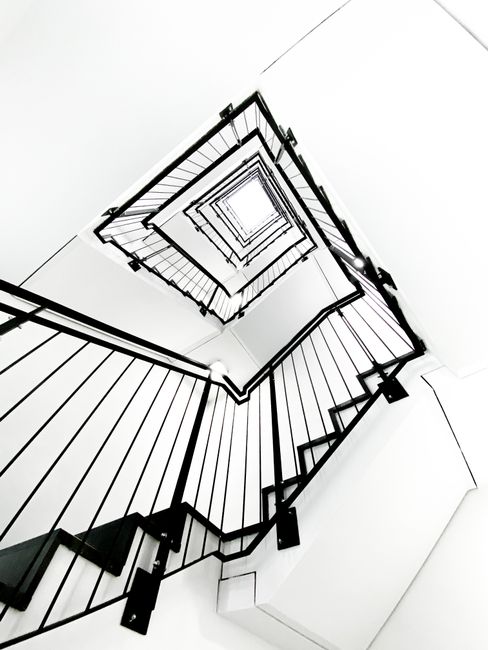
Low ceiling and staircase challenges for Kensington movers
Anyone who has moved a sofa up a narrow Kensington stairwell knows the feeling: that half-second pause on the landing when everyone looks up, then at the sofa, then at each other. Will it turn? Will it clear the ceiling? Is that banister going to be in the way? Low ceiling and staircase challenges for Kensington movers are not just annoying little hurdles. They can shape the whole moving day, from how furniture is packed to whether a removal team can carry items safely at all.
In Kensington, that matters more than most places. You often find period buildings, split-level flats, tight communal corridors, and staircases that seem designed for smaller furniture and shorter people from another century. The good news is that these problems can be managed. With the right measurements, preparation, and moving method, what looks awkward at first can become a controlled, fairly ordinary job. This guide explains what the challenge actually involves, how professionals work around it, and how to avoid expensive, stressful mistakes.
If you are also planning storage or need a broader removals setup, it can help to look at related services such as flat removals, house removals, or removals and storage depending on the size and timing of your move.
Table of Contents
- Why low ceilings and staircase challenges matter
- How these moving challenges are handled
- Key benefits and practical advantages
- Who needs this kind of planning
- Step-by-step guidance
- Expert tips for better results
- Common mistakes to avoid
- Tools, resources and recommendations
- Law, compliance and best practice
- Options and comparison table
- Case study
- Practical checklist
- Conclusion
- Frequently asked questions
Why Low ceiling and staircase challenges for Kensington movers Matters
Low ceilings and awkward staircases change the mechanics of moving. That sounds obvious, but the knock-on effects are easy to underestimate. A wardrobe that would be simple to carry across a level hallway may need to be pivoted, tilted, wrapped, and lifted in stages to get up a stair flight with a low overhead clearance. A fridge, bed base, or corner sofa may need extra hands, more protection, or even partial dismantling.
In practical terms, the issue matters because it affects three things at once: safety, time, and cost. Safety comes first. A poor lift on a tight staircase can strain backs, damage walls, or scratch the item itself. Time matters because what should be a straightforward carry can become a slow, careful manoeuvre. And cost matters because if your mover does not know about the constraints in advance, the team may need additional labour, more equipment, or a revised plan on the day.
There is also a trust element. A professional mover who asks detailed questions about ceiling height, stair width, turning points, and parking access is usually thinking ahead in the right way. That sort of preparation is not fussiness; it is the difference between a smooth move and a stressful scramble. Truth be told, a lot of moving trouble starts with one sentence: "It should fit."
Expert summary: When ceilings are low and stairs are tight, the best move is rarely brute force. The best move is planning, measurement, and the right method for each item.
How Low ceiling and staircase challenges for Kensington movers Works
These challenges are usually handled in a sequence rather than with one single trick. First, the mover identifies the awkward points: the entrance, the stair pitch, the landing size, headroom on turns, bannisters, light fittings, and door swings. Then they match the item to the route. Sometimes the answer is simple tilting. Sometimes it is disassembly. Sometimes the item has to go through a different route altogether.
For example, a sofa might be easier to move if the feet are removed, the cushions are taken out, and the frame is wrapped tightly so it can be rotated more easily on the stairs. A wardrobe may need doors and shelves removed before lifting. A bed may be dismantled in the room rather than dragged down upright. Little things, but they add up.
In Kensington homes, low ceilings often appear in top-floor flats, converted townhouses, basements with short stair runs, or properties with decorative coving and light fixtures that reduce usable height. Staircase challenges may include narrow treads, sharp turns, awkward mid-landings, and railings that leave less room than the eye expects. It is one of those situations where the tape measure is more honest than intuition.
If an item cannot safely pass through the internal route, a mover may look at alternatives. That could mean moving it in smaller components, using a different exit, or placing it into storage first. Depending on the item and your timescale, small removals, short-term storage, or even mobile self storage can make the process much less painful. Not glamorous, but very effective.
Key Benefits and Practical Advantages
Planning for low ceilings and staircase constraints is not just about avoiding damage. It can genuinely improve the whole move. A well-prepared move feels calmer, faster, and more predictable. And yes, that calm matters when you are balancing a king-size mattress on a stairwell while someone is asking where the kettle box went.
- Less damage risk: Items, walls, bannisters, and ceiling edges are easier to protect when the route is assessed properly.
- Better timing: You avoid long pauses while everyone works out a Plan B on the landing.
- Lower stress: Clear preparation reduces the "will it fit?" uncertainty that can make a move feel bigger than it is.
- More accurate quotes: When access issues are known early, pricing is usually more realistic and less likely to change later.
- Smarter packing: Boxes and furniture can be prepared for the actual route rather than packed in a generic way.
- Safer lifting: The right technique and team size reduce strain on the movers and on you if you are helping.
A smaller but important benefit is decision-making. Once you know a staircase is the limiting factor, you can make sharper choices about what to keep on site, what to dismantle, and what to store elsewhere. That can be useful whether you are moving a studio flat, a family home, or a small office. In fact, some customers use the staircase issue as the trigger to declutter properly, which is one of those unexpectedly useful life admin moments. Rare, but welcome.
Who This Is For and When It Makes Sense
This topic matters for anyone moving in or around Kensington where access is tight. That includes tenants moving into or out of upper-floor flats, homeowners in older properties, landlords preparing turnover, and businesses relocating from converted office spaces. It is also relevant if you are not moving everything at once and need a staged approach.
You will especially want to plan carefully if you are moving:
- large sofas, wardrobes, bed frames, or dining tables
- heavy appliances such as fridges, washing machines, or dryers
- valuable items that must not be scraped or bumped
- items with awkward shapes, such as mirrors, art, or office desks
- anything that has to pass a stair turn or low landing
It also makes sense when you are moving out of a building where the stairwell is shared. Shared spaces mean you have to think not only about your own items but also about neighbours, floor coverings, and timing. Nobody wants to be the person blocking the staircase with a sectional sofa at 8:10 on a weekday morning. Let's face it, that never goes down well.
If your move involves business equipment or files, the same logic applies. In those cases, office removals and business storage can be a sensible combination, especially if access is awkward or you need to move in stages.
Step-by-Step Guidance
Here is a practical way to handle a move where ceilings and stairs are likely to cause problems. Keep it simple and methodical.
- Measure the route properly. Measure ceiling height, stair width, landing dimensions, door openings, and any tight bends. Measure the item too, including its diagonal if needed. A tape measure and a patient five minutes can save a lot of grief.
- Identify the awkward points. Look for low light fittings, bulkheads, pipes, banisters, curved staircases, and doors that open into the route. These are the bits that usually catch people out.
- Decide what needs dismantling. Beds, tables, wardrobes, shelving, and some sofas often move better in pieces. If it can come apart safely, it often should.
- Protect the property. Use blankets, corner guards, floor protection, and wrapping where needed. Walls and bannisters are easy to bruise on tight turns.
- Pack for the route. Keep stair-carry boxes manageable. Overfilled boxes are awkward on stairs, full stop.
- Assign lifting roles. One person leads, one follows, and one watches for obstacles. Clear communication helps more than shouting "careful!" every ten seconds.
- Clear the access point. Make sure the hallway, landing, and front door area are free of clutter. Shoes, plant pots, bikes, and parcels always appear at the worst possible moment.
- Test the biggest item first. If one item is likely to be the hardest, move it early while the team is fresh and the route is still fully protected.
- Have a backup plan. If it will not fit, know in advance whether it will be dismantled further, stored temporarily, or replaced later.
- Check the exit plan. Do not only think about the way in. The way out can be just as awkward, especially with bulky items.
That last point sounds obvious, but it gets missed all the time. People plan the arrival like a film scene and forget the exit, which is where the real friction usually happens.
Expert Tips for Better Results
Experienced movers tend to work with the building, not against it. That is the main trick. A few small habits can make a huge difference.
Tip 1: Photograph the route before moving day. A few clear photos of the stairs, landings, and the largest item help the moving team judge the likely approach. It is not about being fussy; it is about avoiding surprises.
Tip 2: Remove obstacles early. Even small bits of furniture can become trip hazards on narrow stairs. The less clutter, the better.
Tip 3: Wrap corners, not just surfaces. Corners are what usually make contact during turns. A little extra padding there is worth it.
Tip 4: Keep one person free to guide. On tight stairs, a clear spotter is more useful than another person trying to lift from a bad angle.
Tip 5: Use measured patience. There is no prize for speed when a sofa is half-way round a landing. Slow, controlled movement is not a weakness. It is the professional version of common sense.
Tip 6: Know when to stop. If an item is forcing the team into unsafe lifting, stop and rethink. A five-minute rethink can save a broken frame or worse, an injury.
You will notice that most good advice here is actually very ordinary. That is because awkward moves are usually solved by boring things done well: measuring, wrapping, communicating, and not rushing.
Common Mistakes to Avoid
The same mistakes turn up again and again. They are easy to make, especially if you only move occasionally.
- Guessing rather than measuring: "It should fit" is not a measurement.
- Ignoring the turn radius: A straight stair width is only part of the problem; turns and landings matter just as much.
- Leaving dismantling too late: Trying to remove a bed frame at the foot of the stairs slows everything down.
- Overpacking boxes: Heavy boxes become dangerous on stairs and are miserable to carry.
- Forgetting about fixtures: Light fittings, smoke alarms, wall art, and decorative moulding can all interfere.
- Not warning the movers: If the access is tight, say so early. A surprise on arrival helps nobody.
- Skipping protection: Damage on a staircase is often avoidable if surfaces are covered properly.
- Assuming every item can be forced through: Sometimes the honest answer is that it cannot. Better to plan a different route or storage option.
One more thing: do not assume all staircases behave the same way. Two properties in the same street can have completely different access problems. One may be generous and awkward in a decorative way; the next may feel as though it was designed by someone who disliked furniture personally.
Tools, Resources and Recommendations
You do not need a warehouse full of kit to manage a difficult staircase move, but the right tools help. For most homes and flats, the practical essentials are simple.
- Tape measure: For widths, heights, and diagonal clearances.
- Furniture blankets and wrap: To reduce scuffs and impact marks.
- Corner protectors: Especially useful on bannisters and door frames.
- Straps and gloves: For grip, stability, and safer handling.
- Flat-pack tools: Screwdrivers, Allen keys, and a labelled bag for fixings.
- Floor protection: Helps with clean stair treads and shared hallways.
For longer moves or if you need time to sort through items, pairing removals with storage is often the calmest option. Self storage works well when you want flexibility, while secure storage is a better fit for valuables or items you are not ready to part with. If you need to hold furniture for a while between homes, furniture storage and household storage are worth considering.
For people who want packing support as well, packing services can save time and reduce the risk of a badly packed box causing trouble on a staircase. It sounds small, but it really matters.
Law, Compliance, Standards, or Best Practice
When a move involves stairs, low ceilings, and heavy lifting, the main compliance issues are safety and duty of care. In the UK, moving teams are expected to work safely, protect people on site, and avoid foreseeable harm. That means sensible risk assessment, suitable handling methods, and clear communication with the customer about access limitations.
For customers, the key practical point is to provide accurate information. If you know the staircase is narrow, the ceiling slopes, or the access is shared, say so. Hiding an awkward access problem can create delays and safety risks. That is not a legal lecture; it is just how good moving practice works.
Professional movers typically rely on internal safety procedures, insurance cover, and moving plans that reflect the risks of the property. You can review useful supporting pages such as health and safety policy and insurance and safety if you want to understand the standards behind the service. They are not there to impress anyone. They are there because stairs do not forgive carelessness.
If you are comparing providers, it is fair to ask how they handle access checks, property protection, and liability if an item will not fit. Good companies should be comfortable answering those questions clearly. No jargon needed, just straight answers.
Options, Methods, or Comparison Table
Different moving strategies suit different access problems. Here is a simple comparison.
| Approach | Best for | Pros | Limitations |
|---|---|---|---|
| Carry item intact | Wide stairs, good headroom, smaller furniture | Fastest when it works | Not suitable for many period stairwells or bulky items |
| Dismantle before moving | Beds, wardrobes, tables, some sofas | Improves clearance and safety | Requires tools, time, and careful reassembly |
| Use extra protection and team handling | Fragile or valuable items | Reduces damage risk | May still be too awkward for tight turns |
| Move to storage first | Staged moves, downsizing, renovation gaps | Removes time pressure | Extra handling and storage planning needed |
| Switch to smaller removals | Single items or compact loads | Flexible and simpler | Not ideal for a full household move |
There is no universal winner here. The best option depends on the building, the item, the timing, and how much disruption you can tolerate. A good mover will often mix methods. That is usually the real answer, not one neat trick.
Case Study or Real-World Example
A common Kensington scenario goes like this. A customer is moving out of a top-floor flat in a converted terrace. The staircase is narrow, the ceiling feels low on the upper turn, and there is a large wardrobe plus a corner sofa to shift. The customer thought the wardrobe would just about fit because it had gone up years before. But after measuring properly, it became clear that the turn into the landing was the real problem, not the straight stair width.
The solution was simple enough in the end: the wardrobe was dismantled, shelves were removed and labelled, the sofa feet were taken off, and both items were wrapped for the stair run. A second team member was used as a guide at the turn. The move still took patience, of course. There was a moment when everyone had to stop on the landing and breathe for a second. But the job was completed without wall damage, and the customer avoided the panic of trying to force a misfit item through a space that was never going to help.
That kind of outcome is very normal. Not dramatic, just sensible. And that is honestly what you want.
Practical Checklist
Use this checklist before moving day:
- Measure ceiling heights, stair widths, landings, and door frames
- Check the largest items, including diagonal measurements if needed
- Identify items that should be dismantled in advance
- Take photos of the stairwell and any awkward corners
- Clear hallways, landings, and access points
- Protect floors, bannisters, and wall edges
- Pack stair-friendly boxes that are not overfilled
- Label screws, bolts, and fittings for reassembly
- Confirm parking and arrival arrangements
- Decide whether storage is needed for bulky or staged items
- Tell the mover about anything unusual before moving day
If you are moving a business or documents rather than household items, you may want to combine this with document storage or office storage to reduce clutter while access is being sorted out.
Conclusion
Low ceiling and staircase challenges for Kensington movers are a very real part of local moving life, especially in older buildings and converted flats. They are not a reason to panic, but they are a reason to plan properly. The better you understand the route, the easier it becomes to choose the right method, protect your belongings, and keep the day under control.
The best moves in tight spaces are usually the ones that feel unhurried, even if a lot is happening behind the scenes. Measure carefully, dismantle when it makes sense, protect the building, and do not be afraid to use storage if that makes the whole thing calmer. A little preparation goes a long way. Honestly, it can save the whole day.
Get a free quote today and see how much you can save.
Frequently Asked Questions
How do movers deal with low ceilings in Kensington flats?
They usually assess the route first, measure the largest items, and decide whether to tilt, rotate, or dismantle furniture. If the headroom is tight, the item may need more protection or a different route entirely.
What is the biggest problem with narrow staircases during a move?
The biggest issue is usually the turn, not the straight staircase. Landings, banisters, and ceiling height on the bend can be more restrictive than the stair width itself.
Should I dismantle furniture before moving day?
If the item is large or awkward, yes, it is often wise to dismantle it in advance. Beds, wardrobes, and some tables are much easier to move in pieces.
Do I need to measure the staircase myself?
It helps a lot. Even a rough set of measurements gives the mover a far better idea of what to expect and reduces the risk of last-minute problems.
What if my sofa does not fit through the stairwell?
First, check whether cushions, feet, or frames can be removed. If it still will not fit, the team may need to use a different route, split the item further, or move it into storage first.
Are low ceilings and staircases more difficult in older Kensington buildings?
Often, yes. Older buildings and converted properties can have tighter landings, lower decorative features, and less generous stair geometry. But each property is different, so measurement matters more than assumptions.
Can storage help with difficult access?
Absolutely. Storage can reduce time pressure and let you move bulky items separately. It is especially useful if you are moving in stages or waiting for another property to be ready.
Is it more expensive to move items up awkward stairs?
It can be, depending on the access and the labour needed. The most accurate way to know is to get a quote after the access details are shared clearly.
How can I protect my walls and bannisters during a move?
Use blankets, corner protectors, floor coverings, and careful route planning. Protection is especially important on tight turns where items are most likely to brush against surfaces.
What should I tell the removals team before moving day?
Tell them about ceiling height, narrow stairs, tight turns, shared entrances, parking limits, and any items that may need dismantling. The more accurate the access information, the smoother the move.
Is a man and van service enough for staircase-heavy moves?
Sometimes, yes, especially for smaller loads or single items. For larger or more awkward furniture, you may need a bigger team or a more complete removals service. Man and van can work well when the job is compact and well planned.
What is the safest way to carry heavy items on stairs?
The safest way is usually to keep the load manageable, use correct lifting technique, have clear communication, and stop if the angle becomes unsafe. If something feels off, it probably is. Better to pause than push on and hope.
In the end, a difficult staircase is not the enemy. Rushing is. A careful move leaves you with less damage, less stress, and a far better story to tell later, preferably over a cup of tea rather than on the landing.